As the athlete you are, you may have found yourself with the choice of being a bodybuilder or a powerlifter, but the idea of the bodybuilding vs. powerlifting diet has you stumped. While it is possible to be both, the approach to each is very different, for the end goal is different. We know you get it. But sometimes people still think they can get away with certain things, only to find that it comes back to bite them.
With two sports that require attention to detail, just with different elements, you can no longer escape the idea that the crossover is an easy one.
With that said, we know you want to try. But at the core of the issue is the end result of both bodybuilding and powerlifting. Bodybuilding is for those seeking that shredded aesthetic and well-rounded appearance. Not a single muscle imbalance is visible. On the other hand, powerlifters aren’t as concerned about appearance as they are performance, being able to bench, squat, and deadlift insane amounts of weight. So, yes, both athletes can lift big. We aren’t trying to be insulting. But what we are saying is that for those wanting to walk the stage in a bodybuilding show, your goal is drastically different than a powerlifter and it comes from diet.
Let’s take a look at these two sports and nail down the difference between the bodybuilding and powerlifting diets. You won’t be disappointed by the results once you know exactly what you’re looking for. And you may find a crossover that allows you the opportunity to do both and do well in both sports.
Bodybuilding diets focus on aesthetics (size/definition) with controlled calories, precise macros (often ~55% carbs, 25-30% protein, 15-20% fat in phases) for lean gain/cutting, emphasizing whole foods, while powerlifting diets prioritize raw strength/performance, often requiring higher overall calories (more carbs/fat for fuel), less restriction (more flexibility), and more food to support intense lifting, with carbs and fats playing a larger role in fueling energy, though protein remains crucial for both.
The primary difference between bodybuilding and powerlifting diets is the degree of dietary precision and the ultimate goal. Bodybuilders focus meticulously on calorie and macronutrient balance to optimize aesthetics and body composition, while powerlifters prioritize performance and strength gains, often allowing for more flexibility in their food choices and calorie intake.
Check Out Our List Of The Best Supplements For Building Muscle, Shredding Muscle, Recovery, And Great Health, and Wellness Products! Purchase shopifbnewsfeed.org‘s apparels Here: shopifbnewsfeed.org
 Bodybuilding Vs. Powerlifting Differences
The overall difference between these two sports is strength vs. aesthetics. Now, this is not to say that bodybuilders aren’t strong or powerlifters aren’t shredded, but the point is that the end goal is different. Bodybuilders are seeking that perfect symmetry, which is built on sculpting and increasing size, but at the end of the day, there is no weight to lift to determine a winner. The top prize is in the eye of the beholder. For powerlifters, the desire is to be as strong as possible and to lift as much weight as possible, so while they may care about their appearance, the only thing they are judged on is their raw strength and mental will to lift massive amounts of weight.
In order to achieve this, training is different as well as diet. Of course, there is a crossover with certain exercises, but at the end of the day, there needs to be a structured plan for getting what you want. So, the differences between these two lie in approach and the intended overall goal.
Bodybuilding Diet Vs. Powerlifting Diet
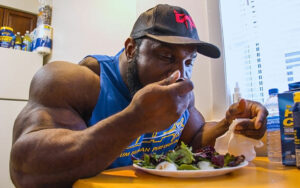
Jumping into the diets for these two, as this may be the crux of the issue. Bodybuilders need to make sure they are getting enough fuel to power them through their workouts, while still limiting carbs and fats so they can be as lean as possible. A powerlifter is trying to find the right balance of macronutrients to continue to build strength and overall mass to not lose any strength gains whatsoever (1).
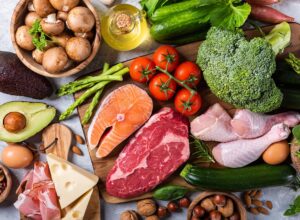
The foods are most likely the same for both bodybuilding and powerlifting, as both kinds of athletes are looking to take optimal care of their bodies. Protein would consist of lean meats, fish, eggs, and even beef once in a while to mix things up. Carbs may include sweet potato, brown rice, whole-grain pasta, and whole-wheat toast. As for those fats, maybe nuts or nut butters, avocados, and certain oils may make it into the mix.
The difference lies with the amount of macronutrients and balancing out calories so you don’t gain weight as a bodybuilder and still have enough energy as a powerlifter. So, a bodybuilder will prioritize protein over all else, making sure they get adequate amounts to keep them full and build lean muscle (2). Carbs and fats will be present, but depending on the time of year, in much smaller quantities.
Powerlifters will seek an optimal balance of all three as they need them to thrive. Their training is depleting and ensuring their energy stores are restored can work wonders for their gains. Ultimately, we’ve found that it is about the balance and how each athlete structures their plan.
 What Supplements To Take For Each
Supplements are a huge part of the game and can greatly affect our training, performance, health, and wellness. By working with premium and top-tier products, you get the most out of those hard workouts as you seek to see great results. Many of the supplements out there can be used by both bodybuilders and powerlifters, which allows both kinds of athletes the option to take charge and thrive in their respective sports.
When looking at great supplements to add to your routine as either a bodybuilder or powerlifter, definitely consider the three main ones: pre-workout, intra-workout BCAAs, and protein powders , as these will cover all the needs of your pre-, mid-, and post-workout routines. Creatine is also a big one for increasing strength and size and can work wonders for absolutely all your strength training goals (3). For health and wellness, both athletes can benefit from an omega-3 supplement, a super greens product, and of course, a multivitamin.
Supplements that may differ, for example, are fat burners and mass gainers. A bodybuilder may be more inclined to take a fat burner to help shed calories and burn that unwanted fat to add to that shredded aesthetic, while a powerlifter will look more towards a mass gainer to pack on mass and increase size.
Wrapping Up
The bodybuilding vs. powerlifting diet debate seems to truly lie in how much is needed for each respective athlete. Both athletes take care of themselves and seek to put the best foods and supplements in their bodies. With different goals and the end result needing to be different, what matters is the quantity and knowing how many calories to put into your body. For those looking to succeed, know your limit and work hard to hit it, for the results of a quality diet are hard to ignore.
- Get $200 With Your 1st Order Because Your Health Matters
- Best Supplements For Muscle Building, Strength & Champion Performance
- Best Supplements For Intense Energy, Performance & Endurance